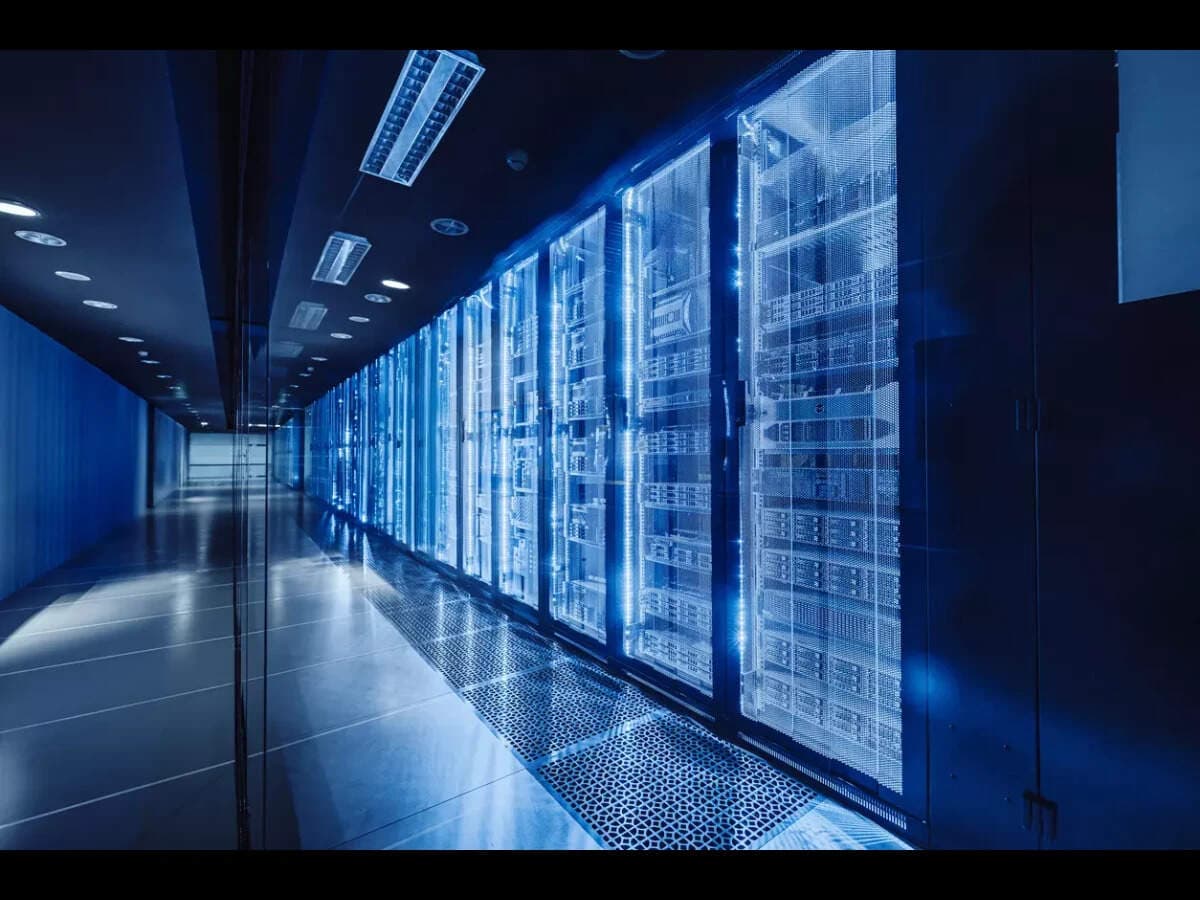
As the demand for data centres continues to surge in Malaysia, operators are turning to innovative solutions to alleviate concerns over resource strain, particularly when it comes to water and energy consumption. In a bid to reduce their environmental footprint, several major players are investing in cutting-edge technologies and sustainable practices. This shift towards green technology is not only beneficial for the environment, but also helps to mitigate the risk of resource scarcity and ensure a stable supply of power and water for these critical infrastructure facilities.
Introduction to Sustainable Practices In the state of Johor, China's ZDATA is leading the charge with its pioneering approach to water conservation. The company's data centre in the region operates exclusively on treated wastewater, significantly reducing its draw on precious freshwater resources. This forward-thinking strategy not only helps to conserve water but also minimizes the strain on the local wastewater treatment infrastructure. Furthermore, ZDATA is on the cusp of finalizing a renewable energy deal with state utility Tenaga Nasional, which will enable the company to ease its reliance on non-renewable energy sources and alleviate pressure on the electricity grid.
The adoption of sustainable practices is not unique to ZDATA, as other major data centre operators are also embracing innovative solutions to reduce their environmental impact. Japan's NTT, for example, has announced plans to employ a closed-circuit cooling system at its facility, which will drastically limit water usage and minimize the risk of water waste. This closed-loop system recirculates cooled water, reducing the need for constant water replenishment and thereby conserving this vital resource.