In the cutthroat world of streaming services, NBCUniversal's Peacock has made a bold move to stay ahead of the pack. By partnering with YouTube, Peacock is integrating its content into the world's largest video-sharing platform, creating a win-win situation for both parties. This strategic shift signals Peacock's willingness to adapt and evolve in a rapidly changing market, where user acquisition costs are skyrocketing.
With over 2 billion monthly users, YouTube's vast user base presents a tantalizing opportunity for Peacock. By making its content available directly within YouTube, Peacock can tap into the platform's massive user base, increasing visibility and discoverability. This partnership is a testament to YouTube's commitment to providing users with a seamless viewing experience, where they can access a wide range of content, including movies, TV shows, and original productions, all in one place.
Peacock's decision to bundle its content with YouTube's is a clever move, as it avoids the high costs associated with promoting its service through traditional marketing channels. By leveraging YouTube's existing user base, Peacock can reduce its marketing expenses and focus on producing high-quality content that resonates with viewers. This approach also enables Peacock to reach a more diverse audience, as YouTube's user base is more representative of the broader demographics, compared to the more specialized platforms like Netflix or HBO Max.
However, this partnership also raises questions about the future of Peacock's brand identity. As its content becomes more deeply integrated with YouTube, will Peacock's distinct voice and aesthetic become diluted? Will viewers continue to associate Peacock with its unique offerings, or will it become just another cog in the YouTube machine? These are valid concerns, as the homogenization of streaming services has led to a proliferation of similar-looking platforms, making it increasingly difficult for viewers to differentiate between them.
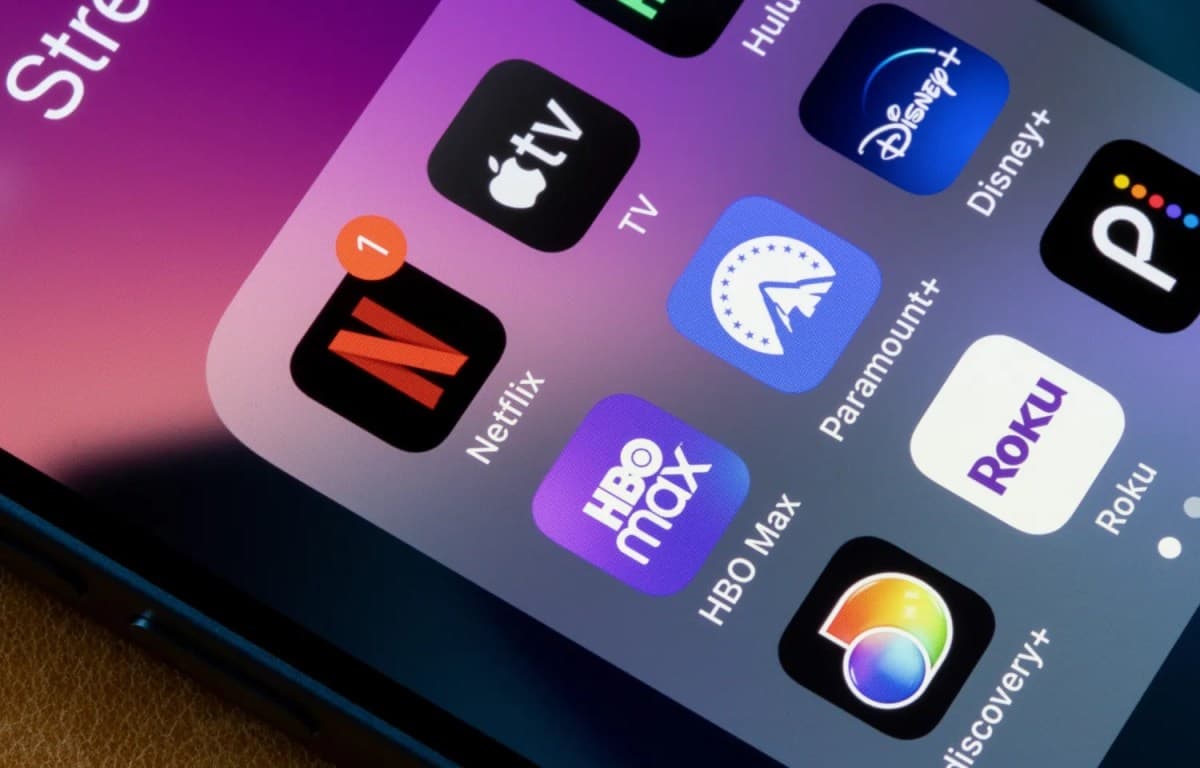
Furthermore, this partnership also highlights the changing landscape of the streaming industry. With the rise of niche platforms like Discovery+ and Paramount+, there is a growing trend towards specialization, where services focus on specific genres or demographics. However, Peacock's decision to partner with YouTube suggests that there is still a place for broad-based streaming services that cater to a wider audience. This approach allows Peacock to maintain its mass appeal while still offering a curated selection of content that appeals to specific interests.
The implications of this partnership extend beyond the streaming industry, as it highlights the growing importance of content distribution and discovery. With the proliferation of platforms and the increasing competition for user attention, content creators are facing unprecedented challenges in reaching their target audiences. This partnership between Peacock and YouTube demonstrates that, even in a crowded market, there are opportunities for innovative distribution strategies that can help creators connect with their audiences.
As the streaming wars continue to rage on, it will be fascinating to watch how Peacock's partnership with YouTube plays out. Will this strategic move pay off for Peacock, enabling it to tap into YouTube's massive user base and establish itself as a major player in the streaming industry? Or will it lead to a dilution of Peacock's brand identity and a loss of its distinct voice? Only time will tell, but one thing is certain – the future of streaming is being shaped by innovative partnerships and distribution strategies that are redefining the way we consume content.
As we look to the future, there are several key takeaways from Peacock's partnership with YouTube. Firstly, the importance of content distribution and discovery in the streaming industry cannot be overstated. Secondly, innovative partnerships like this one can help creators connect with their audiences in new and exciting ways. Finally, the future of streaming is likely to be shaped by a combination of specialization and broad-based services, as platforms continue to evolve and adapt to changing user preferences.
In conclusion, Peacock's strategic shift towards bundling its content with YouTube's is a bold move that signals its willingness to adapt and evolve in a rapidly changing market. While there are valid concerns about the impact on Peacock's brand identity, this partnership highlights the growing importance of content distribution and discovery in the streaming industry. As we look to the future, it will be fascinating to watch how Peacock's partnership with YouTube plays out, and what lessons we can learn from this innovative distribution strategy.