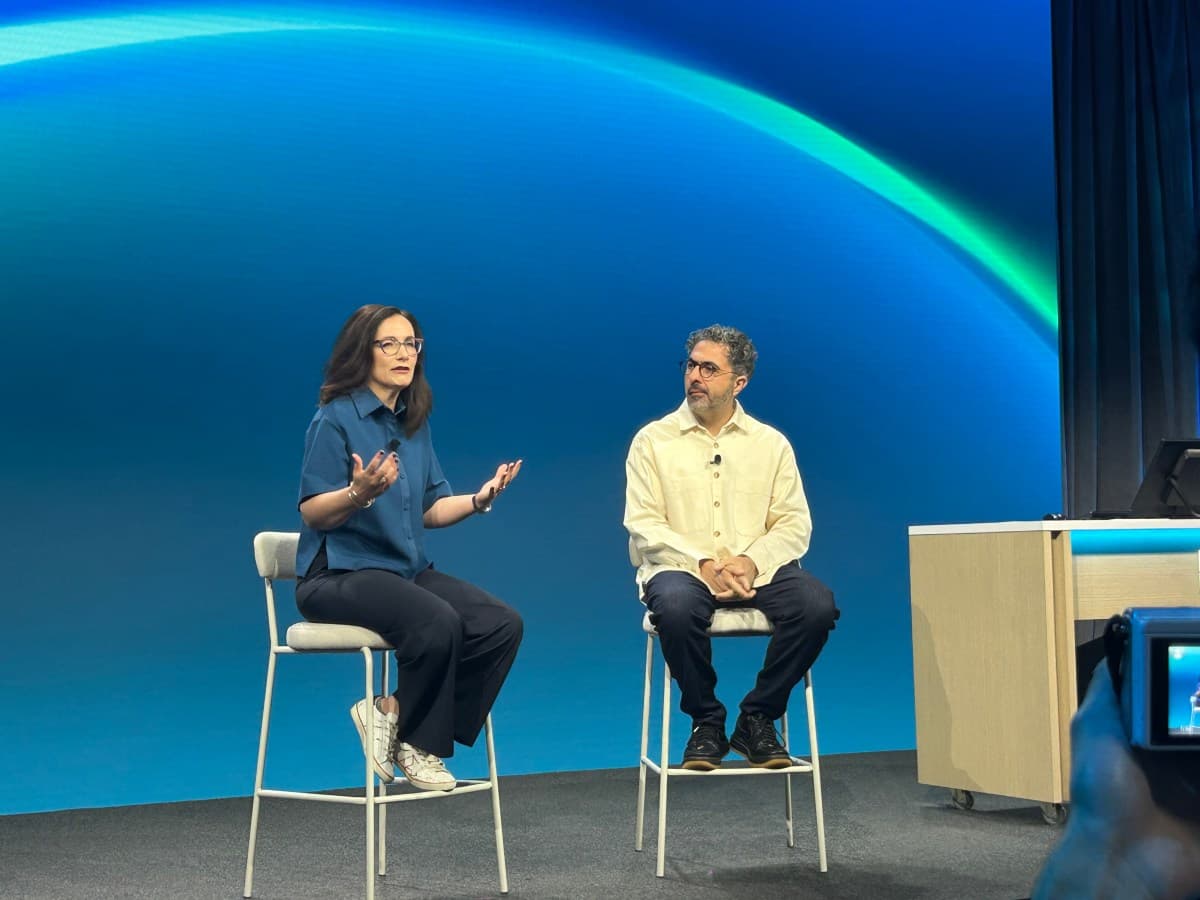
The cybersecurity landscape is on the cusp of a revolution, driven by the integration of artificial intelligence (AI) into traditional security frameworks. This shift is not merely about bolstering defenses but about fundamentally changing how organizations approach threat detection and mitigation. At the heart of this transformation are tech giants like Microsoft, which have been investing heavily in AI-powered cybersecurity solutions.
One of the most significant recent developments in this space is the launch of advanced AI security models and platforms designed to enhance threat detection and response. These models leverage machine learning algorithms to analyze vast amounts of data, identifying patterns that may elude human analysts. The implication is profound: by automating the process of threat detection, organizations can respond more quickly and effectively to emerging threats.
The introduction of such technologies signals a broader trend within the tech industry towards AI-centric cybersecurity. This trend is driven by the escalating complexity and sophistication of cyber threats. As attackers increasingly employ AI and machine learning to orchestrate attacks, defenders must also adopt these technologies to stay ahead. The race between attackers and defenders has never been more evenly matched, with each side seeking to outmaneuver the other through technological innovation.
For Indian companies, particularly those in the burgeoning tech sector, the adoption of AI-powered cybersecurity solutions is not just a strategic advantage but a necessity. The Indian tech industry, known for its vibrant startup ecosystem and significant outsourcing operations, is a prime target for cyberattacks. By embracing AI-driven security solutions, Indian companies can protect their intellectual property, customer data, and brand reputation, thereby safeguarding their competitive edge in the global market.
From a policy perspective, the Indian government has been proactive in promoting cybersecurity through various initiatives and regulations. The Personal Data Protection Bill, for instance, aims to establish a robust framework for data protection, emphasizing the need for organizations to implement stringent security measures. The integration of AI in cybersecurity aligns with these efforts, offering a sophisticated layer of protection that can help comply with emerging data privacy regulations.
However, the deployment of AI in cybersecurity also raises important questions about privacy, ethics, and the potential for job displacement. As AI systems become more autonomous in their decision-making, there is a growing need for transparency and accountability in their operations. Furthermore, while AI can augment human capabilities in threat detection, it also poses risks if not properly managed, such as the potential for AI systems to misidentify threats or overlook critical vulnerabilities.
Looking ahead, the future of cybersecurity will be defined by the interplay between human expertise and AI-driven technologies. As the threat landscape continues to evolve, organizations will need to adapt, investing in both the development of AI security solutions and the talent required to manage and interpret their outputs. For India, with its strong foundation in IT and growing prowess in AI research, this presents an opportunity not only to secure its digital borders but also to emerge as a global leader in cybersecurity innovation.