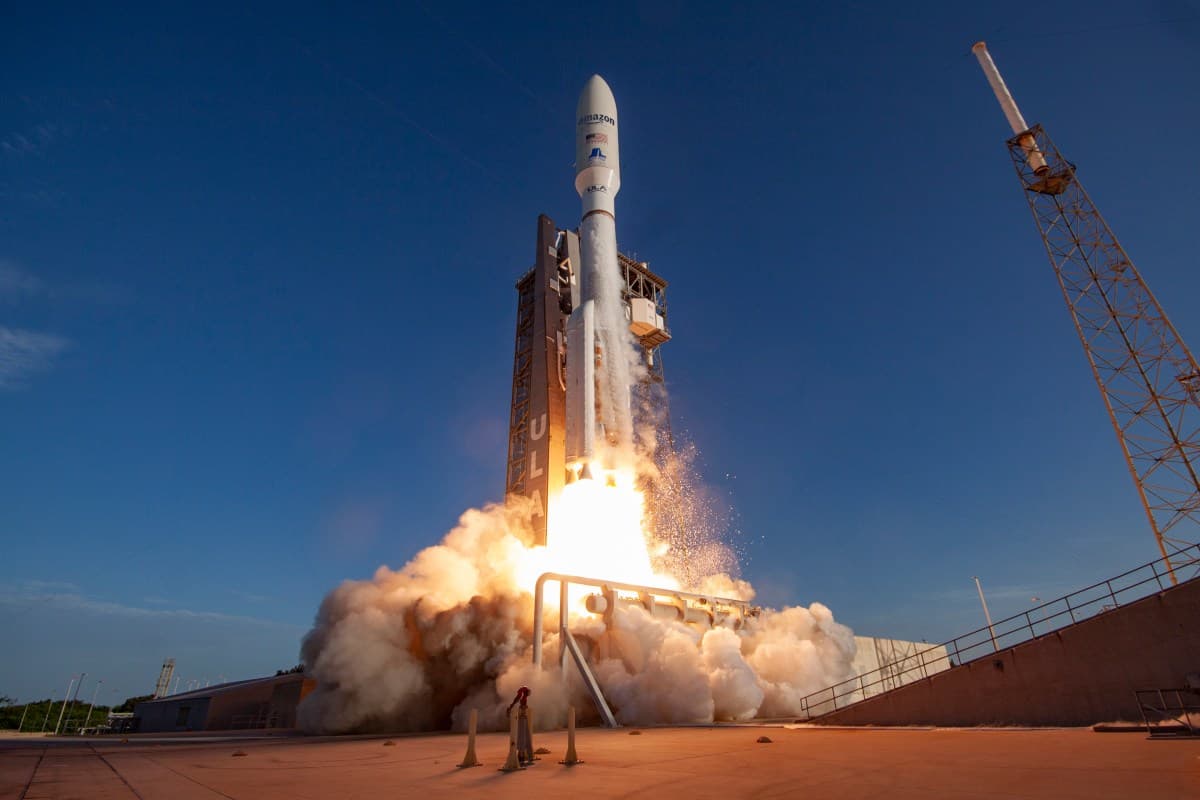
As Amazon's satellite network ambitions gain momentum, the Indian mobile ecosystem is bracing for a potentially game-changing development.
The company's recent plans to expand its satellite connectivity offerings for mobile phones raise several concerns for the existing players in the Indian market. India's mobile network operators, led by Jio and Airtel, have invested heavily in building and upgrading their 4G infrastructure. These networks are expected to drive India's digital growth and facilitate the adoption of emerging technologies like 5G.
However, Amazon's satellite-based solution could disrupt this status quo. By leveraging its Project Kuiper initiative, Amazon aims to provide high-speed internet connectivity to remote areas and underserved communities worldwide. This could potentially give the e-commerce giant a competitive edge in the Indian mobile market, particularly in rural areas where satellite connectivity could be more feasible than traditional fiber-optic cables.
India's mobile operators have traditionally focused on expanding their 4G networks to rural areas, but this has proven to be a costly and challenging endeavor. The country's geography, with its vast and scattered population, makes it difficult to deploy and maintain traditional cell towers. In contrast, satellite connectivity could provide a more cost-effective and efficient solution for reaching remote areas.
However, this shift to satellite-based connectivity also raises concerns about the quality of service and data speeds. While Amazon's satellite technology promises high-speed internet, it's unclear whether it can match the speeds and reliability of traditional mobile networks. This could impact the user experience, particularly for applications that require high-bandwidth connectivity, such as video streaming and online gaming.
Moreover, Amazon's satellite play could have implications for India's broader digital economy. The company's entry into the satellite connectivity market could lead to increased competition, driving down prices and forcing existing players to innovate and adapt. This could ultimately benefit consumers, who would have access to more affordable and reliable connectivity options.
However, it's also possible that Amazon's satellite network could create new challenges for the Indian government. As the country looks to expand its digital infrastructure and drive economic growth, it must balance the benefits of increased competition with the potential risks of disrupting the existing ecosystem. The government will need to carefully consider the regulatory framework for satellite connectivity and ensure that it does not create new barriers to entry for existing players.
In conclusion, Amazon's satellite network ambitions raise important questions about the future of India's mobile ecosystem. While the company's technology promises to bring high-speed internet to remote areas, it also poses challenges for the existing players and the government. As the Indian mobile market continues to evolve, it's essential to monitor developments and assess the implications of this shift towards satellite-based connectivity.
India's mobile operators will need to adapt to the changing landscape and explore new technologies that can help them stay competitive. This could involve investing in 5G infrastructure, developing new business models, and exploring partnerships with companies like Amazon. The government, on the other hand, will need to create a regulatory environment that supports innovation and competition while protecting the interests of existing players.
Ultimately, Amazon's satellite network is just one piece of the larger puzzle of India's digital growth. As the country continues to navigate the challenges and opportunities of this shift, it's essential to prioritize collaboration, innovation, and adaptability. Only by working together can India's mobile ecosystem thrive and drive the country's digital growth forward.
The impact of Amazon's satellite network on the Indian mobile market will be closely watched in the coming months. As the company continues to develop and expand its technology, we can expect to see new players emerge and existing ones adapt to the changing landscape. One thing is certain, however: the future of India's mobile ecosystem will be shaped by the intersection of technology, innovation, and competition.
The implications of Amazon's satellite network for India's digital economy are far-reaching and multifaceted. As the company's technology gains traction, it's essential to consider the potential consequences for the existing players, the government, and the broader ecosystem. By doing so, we can better understand the opportunities and challenges that lie ahead and work towards creating a more vibrant and inclusive digital economy for all.
India's mobile operators will need to invest in new technologies and business models to stay competitive in the face of Amazon's satellite network. This could involve partnering with the e-commerce giant or exploring alternative solutions that leverage emerging technologies like 5G and edge computing.
The Indian government will need to create a regulatory framework that supports innovation and competition in the satellite connectivity market. This could involve establishing clear guidelines for satellite operators, protecting the interests of existing players, and ensuring that the market remains open to new entrants.
As Amazon's satellite network continues to evolve, it's essential to prioritize collaboration and adaptability. By working together, India's mobile ecosystem can thrive and drive the country's digital growth forward. This will require a willingness to experiment, innovate, and take calculated risks – but the potential rewards are well worth it.
In the end, Amazon's satellite network is just one piece of the larger puzzle of India's digital growth. As the country continues to navigate the challenges and opportunities of this shift, it's essential to prioritize collaboration, innovation, and adaptability. Only by working together can India's mobile ecosystem thrive and drive the country's digital growth forward.
It's a new era for India's mobile ecosystem, and the stakes have never been higher. As Amazon's satellite network gains momentum, it's time for the country's mobile operators and policymakers to adapt and innovate. The future of India's digital economy depends on it.
As Amazon's satellite network continues to disrupt the status quo, it's essential to consider the potential implications for India's digital economy. By doing so, we can better understand the opportunities and challenges that lie ahead and work towards creating a more vibrant and inclusive digital economy for all.
The future of India's mobile ecosystem will be shaped by the intersection of technology, innovation, and competition. As Amazon's satellite network gains traction, it's time for the country's mobile operators and policymakers to adapt and innovate. The future of India's digital economy depends on it.
The stakes are high, but the potential rewards are well worth it. As Amazon's satellite network continues to disrupt the status quo, it's essential to prioritize collaboration and adaptability. By working together, India's mobile ecosystem can thrive and drive the country's digital growth forward.
It's a moment of truth for India's mobile ecosystem – and the country's digital economy. As Amazon's satellite network gains momentum, it's time for the country's mobile operators and policymakers to adapt and innovate. The future of India's digital economy depends on it.
In the end, Amazon's satellite network is just one piece of the larger puzzle of India's digital growth. As the country continues to navigate the challenges and opportunities of this shift, it's essential to prioritize collaboration, innovation, and adaptability. Only by working together can India's mobile ecosystem thrive and drive the country's digital growth forward.
The future of India's digital economy is brighter than ever before – and it's shaped by the intersection of technology, innovation, and competition. As Amazon's satellite network gains traction, it's time for the country's mobile operators and policymakers to adapt and innovate. The future of India's digital economy depends on it.
India's mobile operators will need to invest in new technologies and business models to stay competitive in the face of Amazon's satellite network. This could involve partnering with the e-commerce giant or exploring alternative solutions that leverage emerging technologies like 5G and edge computing.
The Indian government will need to create a regulatory framework that supports innovation and competition in the satellite connectivity market. This could involve establishing clear guidelines for satellite operators, protecting the interests of existing players, and ensuring that the market remains open to new entrants.
As Amazon's satellite network continues to disrupt the status quo, it's essential to consider the potential implications for India's digital economy. By doing so, we can better understand the opportunities and challenges that lie ahead and work towards creating a more vibrant and inclusive digital economy for all.
The future of India's mobile ecosystem will be shaped by the intersection of technology, innovation, and competition. As Amazon's satellite network gains traction, it's time for the country's mobile operators and policymakers to adapt and innovate. The future of India's digital economy depends on it.
The stakes are high, but the potential rewards are well worth it. As Amazon's satellite network continues to disrupt the status quo, it's essential to prioritize collaboration and adaptability. By working together, India's mobile ecosystem can thrive and drive the country's digital growth forward.
It's a moment of truth for India's mobile ecosystem – and the country's digital economy. As Amazon's satellite network gains momentum, it's time for the country's mobile operators and policymakers to adapt and innovate. The future of India's digital economy depends on it.