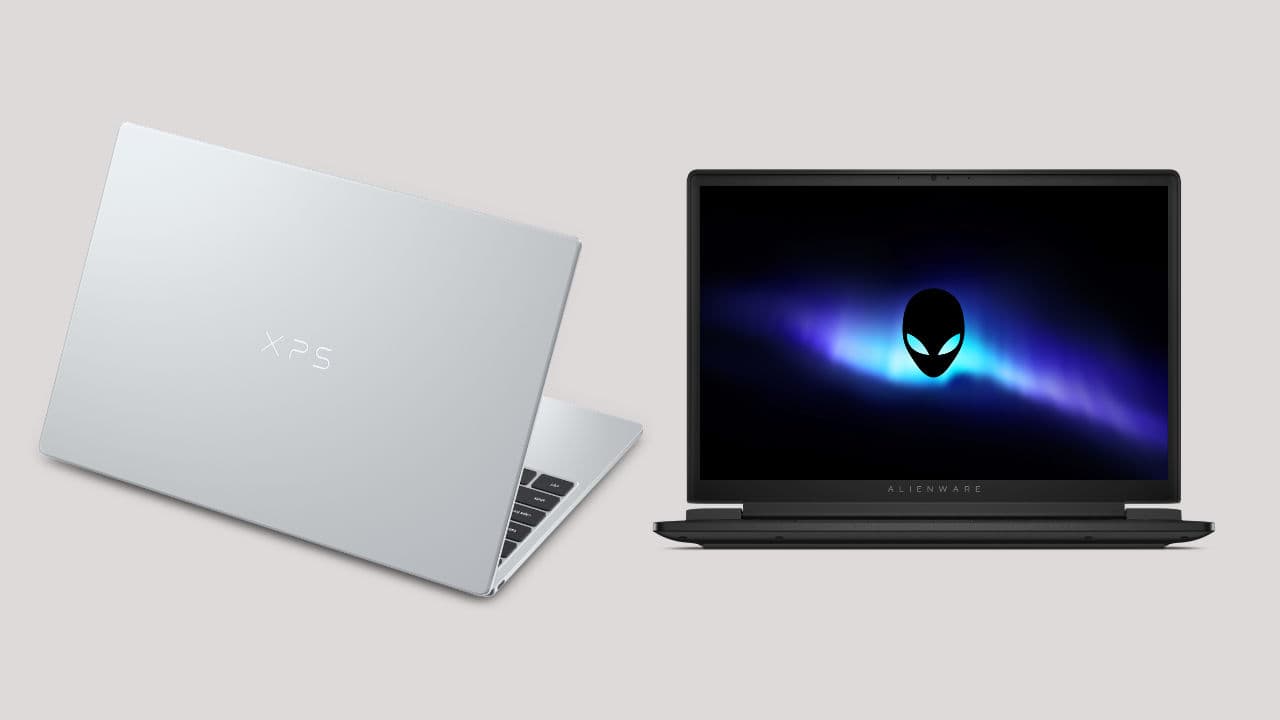
The Indian laptop market has long been synonymous with a trade-off between affordability and performance. However, Dell's recent launch of the XPS 13 and Alienware 15, starting at Rs 79,990 and Rs 1,28,990 respectively, signals a seismic shift in this landscape. For years, Dell's XPS and Alienware lineups have been the epitome of premium laptops, often carrying price tags that deter all but the most dedicated enthusiasts. The introduction of these more accessible models not only expands Dell's reach but also challenges the status quo in India's competitive laptop market.
One of the most significant implications of this launch is the democratization of premium laptop experiences. Historically, high-end laptops have been out of reach for many Indian consumers due to their prohibitive prices. Dell's move to make its premium offerings more affordable could potentially disrupt the market, forcing competitors to reevaluate their pricing strategies. This could lead to a cascade effect where other manufacturers are compelled to offer more competitive pricing, ultimately benefiting consumers.
The strategy behind Dell's pricing is multifaceted. By entering the market with more affordable premium laptops, Dell is not only targeting the traditional enthusiast and professional segments but also aiming to capture a larger share of the burgeoning middle-class market in India. This demographic is increasingly tech-savvy and seeking devices that offer a balance between performance and affordability. Dell's XPS 13, with its starting price under Rs 80,000, positions itself as a compelling option for those seeking a high-quality, compact laptop without the hefty price tag typically associated with such devices.
The Alienware 15, on the other hand, caters to a different niche - the gaming community. India has seen a significant surge in gaming popularity, driven by the growth of esports and the increasing accessibility of gaming hardware. The Alienware brand has long been revered among gamers for its high-performance laptops designed specifically with gaming in mind. By making the Alienware 15 more affordable, Dell is poised to tap into this vibrant market, offering gamers a premium gaming experience without the need for deep pockets.
Beyond the immediate market implications, Dell's move reflects a broader trend in the tech industry towards greater accessibility and inclusivity. As technology advances and manufacturing costs decrease, companies are finding ways to bring high-quality products to a wider audience. This is particularly significant in a country like India, where the digital divide is still a significant challenge. By making premium laptops more affordable, Dell is contributing to the bridging of this divide, enabling more people to access technology that can enhance their productivity, education, and entertainment.
However, this strategy also comes with its set of challenges. One of the primary concerns for Dell will be maintaining profit margins while offering competitive pricing. The company will need to balance its desire to expand market share with the need to ensure that its products remain profitable. Additionally, the Indian market is highly competitive, with numerous local and international brands vying for consumer attention. Dell will need to invest in marketing and customer support to differentiate its products and build brand loyalty.
In conclusion, Dell's launch of the XPS 13 and Alienware 15 at more affordable price points is a strategic move that could redefine India's laptop market. It not only reflects Dell's commitment to expanding its customer base but also underscores the evolving nature of consumer demand in India. As the market continues to grow and become more sophisticated, the demand for premium products at affordable prices is likely to increase. Dell's move is a step in the right direction, and it will be interesting to see how the market responds and how other manufacturers react to this new challenge.


