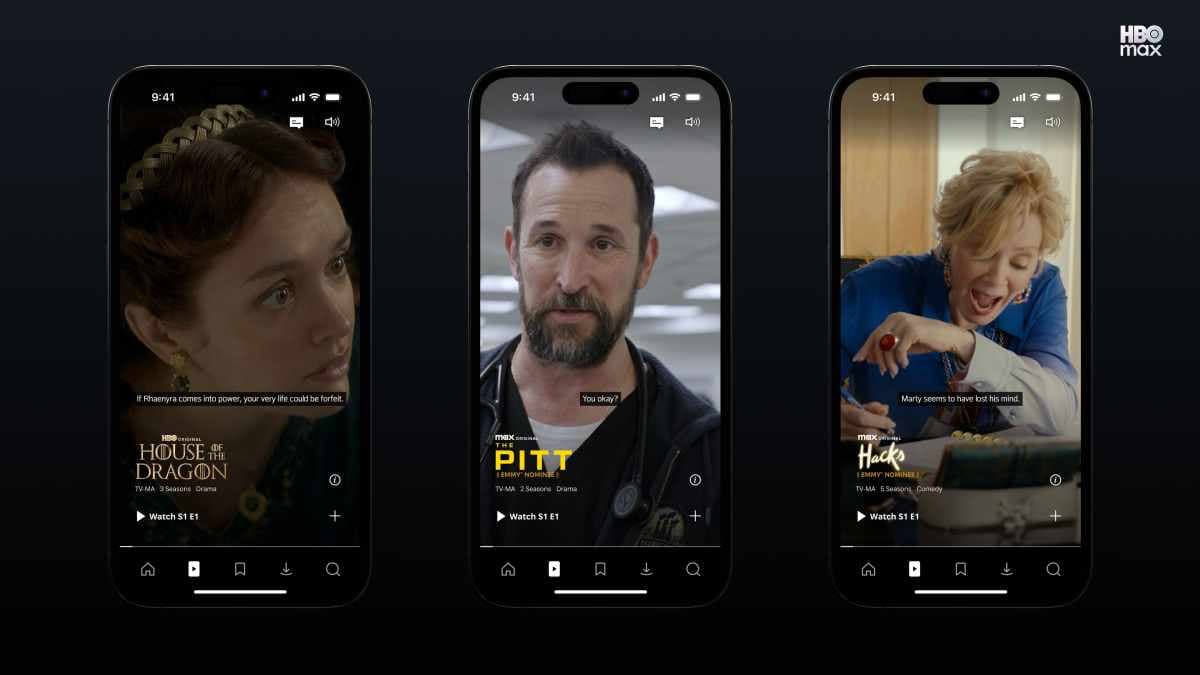
The proliferation of streaming services has changed the way Indians consume content. With the rise of short-form video on platforms like TikTok and Instagram Reels, it's no surprise that streaming giants like HBO Max are rethinking content discovery. The recent introduction of a 'Shorts' feed on HBO Max is a significant move that could signal a shift in how Indians engage with on-demand content.
For years, Indian streaming platforms have struggled to keep users engaged. Large libraries have made it difficult for viewers to find something that piques their interest. The result is a high churn rate, with users dropping subscriptions after a few months. This is particularly true for niche platforms that focus on specific genres or languages.
The 'Shorts' feed on HBO Max is a response to this problem. By packaging bite-sized content into a vertical video feed, the platform aims to recreate the discovery experience of social media platforms like TikTok. Short-form content is inherently more shareable and addictive than traditional full-length episodes. By leveraging this format, HBO Max hopes to keep users engaged and encourage them to explore its vast library.
But what does this mean for the Indian OTT landscape? Indian streaming platforms have traditionally focused on long-form content, often replicating the traditional television model. However, with the rise of short-form video, it's no longer clear what type of content will resonate with Indian audiences.
For example, platforms like MX Player and Zee5 have seen success with short-form content in the form of news clips and teasers. However, these platforms have yet to fully integrate short-form content into their user experience. The 'Shorts' feed on HBO Max is a bold move that could inspire Indian OTTs to rethink their content strategy.
Moreover, the introduction of vertical video on HBO Max signals a shift towards more mobile-centric content. With the majority of Indian internet users accessing content on their smartphones, it's no surprise that streaming platforms are adapting their content to fit the mobile screen. This is a critical move, as it will enable Indian OTTs to reach a wider audience and improve user engagement.
However, there are also risks associated with adopting vertical video. For one, it may cannibalize revenue from traditional advertising models. Advertisers often prefer long-form content, as it provides more opportunities for branding and product placement. If Indian OTTs follow suit and adopt vertical video, they may need to rethink their advertising strategies.
Furthermore, the adoption of vertical video may also exacerbate the existing content fragmentation in the Indian OTT market. With the proliferation of short-form content, it may become increasingly difficult for users to find high-quality, long-form content. This could lead to a two-tiered market, where high-quality content is relegated to niche platforms, while short-form content dominates the mainstream.
Despite these risks, the introduction of vertical video on HBO Max is a significant development that could signal a shift in the Indian OTT landscape. It's no longer clear what type of content will resonate with Indian audiences. As a result, Indian OTTs will need to be more agile and adaptable in their content strategies. By embracing short-form content and mobile-centric formats, they may be able to overcome the discovery woes that have plagued the industry for years.
In conclusion, the 'Shorts' feed on HBO Max is a bold move that could inspire Indian OTTs to rethink their content strategy. By adopting vertical video and short-form content, Indian streaming platforms may be able to overcome the challenges of content discovery and improve user engagement. However, they will need to be cautious not to cannibalize revenue from traditional advertising models and exacerbate the existing content fragmentation in the market.
The Indian OTT landscape is at a critical juncture. With the rise of short-form video and mobile-centric formats, it's no longer clear what type of content will resonate with Indian audiences. As a result, Indian OTTs will need to be more agile and adaptable in their content strategies. By embracing short-form content and mobile-centric formats, they may be able to overcome the discovery woes that have plagued the industry for years.
The adoption of vertical video on HBO Max is a significant development that could signal a shift in the Indian OTT landscape. Indian streaming platforms will need to be more innovative and experimental in their content strategies. By adopting short-form content and mobile-centric formats, they may be able to overcome the challenges of content discovery and improve user engagement.
Ultimately, the Indian OTT landscape is ripe for disruption. With the rise of short-form video and mobile-centric formats, it's no longer clear what type of content will resonate with Indian audiences. As a result, Indian OTTs will need to be more agile and adaptable in their content strategies. By embracing short-form content and mobile-centric formats, they may be able to overcome the discovery woes that have plagued the industry for years.