India's e-commerce ecosystem has been abuzz with the rapid growth of quick commerce platforms, promising delivery of goods within an hour or less. While these platforms have undoubtedly changed the way Indians shop for groceries and essentials, their pursuit of speed is now being tested by the weight of their own ambition. The recent outage experienced by Zepto, one of the leading players, has brought to the fore the pressing need for quick commerce companies to invest in robust infrastructure that can handle the immense strain of their own success.
At the heart of the quick commerce revolution lies the Indian consumer's insatiable appetite for convenience. The proliferation of smartphones has made online shopping an integral part of daily life, and quick commerce platforms have capitalized on this trend by offering a level of speed and reliability that was previously unimaginable. Companies like Zepto, Blinkit, and Dunzo have built their businesses around the concept of instant delivery, catering to the changing needs of a consumer base that is increasingly looking for faster and more reliable options.
However, beneath the surface of this revolutionary growth lies a complex web of infrastructure challenges that threaten to undermine the very foundation of quick commerce. The sheer volume of orders and traffic on these platforms puts an immense strain on their backend systems, network infrastructure, and logistics networks. The recent outage experienced by Zepto is a stark reminder of the challenges that quick commerce companies face in their quest to provide instant delivery. While the company has not disclosed the exact cause of the outage, industry experts suggest that it was likely related to the immense strain on its infrastructure, which is a common problem faced by many e-commerce companies.
The implications of such outages are far-reaching, and can have a significant impact on the reputation of the company. In today's digital age, customers are accustomed to instant gratification, and any delay or disruption in service can lead to a loss of trust and loyalty. For quick commerce platforms, which rely heavily on customer retention and word-of-mouth marketing, outages can be particularly damaging. The competitive landscape of the Indian e-commerce market means that customers have numerous alternatives to choose from, making it essential for companies to prioritize reliability and stability in their operations.
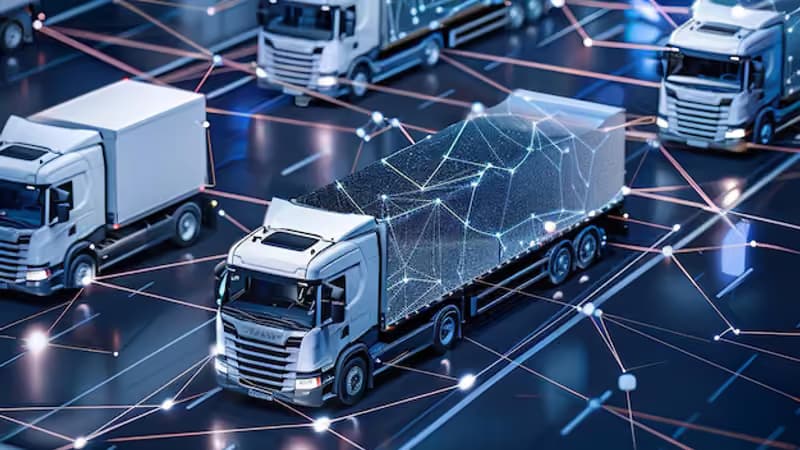
Beyond the immediate consequences, the rise of quick commerce platforms has significant implications for India's logistics and supply chain infrastructure. As the demand for instant delivery continues to grow, companies will need to invest in building robust logistics networks that can handle large volumes of orders. This will require significant investment in technology, infrastructure, and manpower, and will also necessitate collaboration between companies, governments, and other stakeholders. The Indian government's efforts to promote the development of logistics and supply chain infrastructure, through initiatives such as the National Logistics Policy, are a step in the right direction, but more needs to be done to support the growth of quick commerce.
One key area of focus for quick commerce companies should be the development of more efficient logistics networks. This can be achieved through investments in technology, such as AI-powered route optimization and real-time tracking systems, as well as the adoption of sustainable and environmentally friendly practices. Companies can also explore partnerships with third-party logistics providers to augment their own capabilities and reduce costs. Furthermore, governments can play a crucial role in supporting the growth of quick commerce by providing incentives for companies to invest in infrastructure and logistics, as well as by streamlining regulations and reducing bureaucracy.
In conclusion, the quick commerce revolution in India has come to a critical juncture, where the pursuit of speed must be balanced with the need for reliability and stability. As quick commerce companies continue to grow and expand, they must prioritize infrastructure development and logistics optimization to meet the demands of their customers. The Indian government can support this growth by providing incentives and streamlining regulations, while also investing in the development of logistics and supply chain infrastructure. By working together, India can unlock the full potential of its quick commerce revolution and create a more efficient, reliable, and sustainable e-commerce ecosystem that benefits both consumers and businesses alike.
The Indian government's efforts to promote the development of logistics and supply chain infrastructure, through initiatives such as the National Logistics Policy, are a step in the right direction, but more needs to be done to support the growth of quick commerce. This can be achieved through a combination of public-private partnerships, investments in technology and infrastructure, and the adoption of sustainable and environmentally friendly practices.
The implications of the quick commerce revolution extend far beyond the Indian e-commerce landscape, with significant impacts on the country's overall economic growth and development. As the country continues to grow and urbanize, the demand for instant delivery is likely to increase, creating new opportunities for quick commerce companies to scale and innovate. However, this growth must be accompanied by a corresponding investment in infrastructure and logistics to ensure that the sector remains sustainable and reliable.
In the end, the quick commerce revolution in India is a test of the country's ability to balance growth with infrastructure development, and to prioritize reliability and stability in the pursuit of speed. As the sector continues to evolve, it is crucial that quick commerce companies, governments, and other stakeholders work together to create a more efficient, reliable, and sustainable e-commerce ecosystem that benefits both consumers and businesses alike.